Encouraging Seniors to Adopt Fitness Through Comprehensive Workout Protocols
Wiki Article
Staying physically engaged is essential for adults of all ages, but it becomes especially significant as persons grow older. For elders, consistent exercise supports sustaining autonomy, supports flexibility, and improves quality of life. Detailed exercise guidelines offer older adults with structured strategies to fitness that address coordination, range of motion, strength, and resilience. By adhering to well-designed workout recommendations, older participants can improve their well-being while lowering the chances of injuries, long-term illnesses, and emotional difficulties.
Exercise for seniors is not limited to demanding routines or rigorous exercise regimens. It centers instead on low-impact, steady, and sustainable activity that matches unique ability levels. Routines such as leisure walking, mobility work, gentle yoga, and light resistance training aid in preserving range of motion and muscle tone. Aerobic workouts like swimming or stationary cycling boost circulation, which are vital for maintaining stamina and performance. These forms of activity also promote mental function, as research have shown that regular exercise can boost memory, outlook, and cognitive function.
Thorough exercise guidelines emphasize a integrated approach to health, addressing bodily, mental, and interpersonal aspects of lifestyle. Seniors are encouraged go to start gradually and progress at a comfortable pace, ensuring safety while avoiding strain. Including pre- and post-exercise stretches prevents strain, while appropriate hydration and nutrition support physical activity. Additionally, group fitness environments—such as senior workout groups or community walking programs—provide opportunities for peer support, engagement, and well-being, which are just as vital to total wellness.
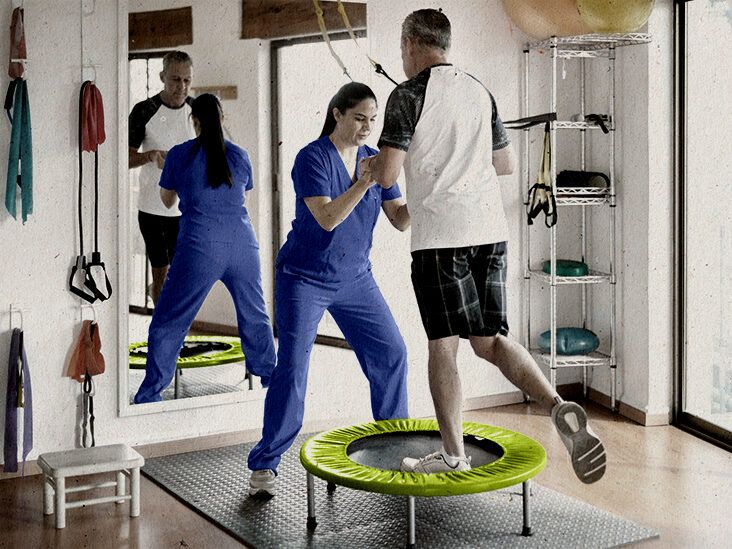
Professional guidance plays a taping and bracing methods important part in assisting seniors build personalized fitness programs. Seeking advice from medical professionals, physical therapists, or certified fitness trainers guarantees that plans are adapted to specific requirements, fitness levels, and goals. These professionals can design safe training methods that address issues such as mobility concerns, osteoporosis, or aerobic restrictions. Through regular monitoring and adjustment, exercise plans remain beneficial and enjoyable, supporting long-term engagement and progress.
In conclusion, enabling older adults to adopt fitness through inclusive training recommendations builds a mindset of lifelong movement. When participants are supplied with understanding, inspiration, and structured support, they develop confidence in their physical abilities and enjoy greater independence. Regular exercise enhances not only physical strength but also mental clarity and emotional resilience. By prioritizing inclusive, well-guided fitness programs, communities can help that every senior has the means to enjoy a balanced, engaged, and meaningful lifestyle.